
Keffi, Nasarawa State | 28 August 2026 The Ecosteward and Humanitarian Foundation (EHF) participated in the Peer Learning Meeting and General Assembly of the Community of Agrifood Systems Non-State Actors (COANSA) held from 27–28 August 2026 in Keffi, Nasarawa State, bringing together civil society organisations, farmers’ organisations, private-sector actors, researchers, development partners and other stakeholders working across Nigeria’s agrifood systems. Ecosteward Foundation was represented at the meeting by its Programs Director, Mr. Nweze Emmanuel, as part of the growing network of non-state actors working to advance sustainable and inclusive agrifood systems in Nigeria. The two-day gathering provided an important platform for participants to exchange experiences, reflect on progress and challenges in agrifood systems policy advocacy, and identify opportunities for stronger collaboration and collective action. The meeting also considered the 2026 Nigeria Non-State Actors Position and Strategy and COANSA’s engagement with national and continental agrifood systems processes. Group Photo of COANSA Members Strengthening the Voice of Non-State Actors A major focus of the General Assembly was the institutional strengthening of COANSA as a credible and representative platform for non-state actors in Nigeria’s agrifood sector. COANSA, established in 2013, brings together diverse actors including farmers’ organisations, civil society organisations and NGOs, private-sector and agribusiness actors, research and academic institutions, professional associations, women and youth organisations, persons with disabilities organisations, development partners, cooperatives and community-based organisations. Participants reviewed the network’s stewardship report, membership structure, leadership arrangements, institutional gaps and opportunities for strengthening its operations. Discussions emphasized the importance of transparent governance, effective coordination, inclusive participation, sustainable financing and stronger communication and visibility. The Assembly recognized that COANSA’s strength lies in its ability to bring together diverse actors around common agrifood systems priorities and provide a collective platform for influencing policies, programmes and investments affecting agriculture and food systems. Promoting Peer Learning and Collective Action The first day of the meeting focused on peer learning and experience sharing, providing participants with an opportunity to reflect on their engagement with government, policies, budgets and programme implementation. Discussions explored lessons from agrifood systems policy advocacy and engagement with the Comprehensive Africa Agriculture Development Programme (CAADP), while participants also considered common challenges and approaches for strengthening the influence and accountability of non-state actors. Participants further worked in groups to identify priority issues for collective advocacy and practical areas for joint engagement with government, development partners and other stakeholders. These engagements reinforced the importance of collaboration and knowledge sharing among civil society organisations, farmers’ organisations, research institutions, private-sector actors, youth and women-led organisations, and other stakeholders within the agrifood system. Opportunities for Collaboration and Policy Influence For Ecosteward Foundation, participation in the General Assembly represents an opportunity to deepen its engagement with organisations working to transform Nigeria’s food and agricultural systems. The Foundation’s work in agroecology, climate resilience, youth engagement, environmental sustainability and food systems advocacy aligns with several of COANSA’s strategic priorities, including policy advocacy, knowledge exchange, resource mobilization, partnerships and engagement with national and continental agricultural policy processes. COANSA’s strengthening strategy places particular emphasis on evidence-based policy positions, engagement with government and development partners, participation in national and continental agricultural policy processes, and the convening of policy dialogues. The network also seeks to strengthen peer learning, knowledge sharing and visibility while expanding participation across states and the Federal Capital Territory. Nweze Emmanuel (EHF Director of Programs) Ecosteward Foundation’s Commitment Ecosteward Foundation recognizes that transforming Nigeria’s agrifood systems requires collaboration among civil society, farmers, young people, government institutions, researchers, businesses and other stakeholders. The Foundation will continue to explore opportunities for meaningful engagement within COANSA, particularly around agroecological transformation, climate-resilient food systems, youth participation, environmental sustainability and policy advocacy. The COANSA General Assembly marks an important step towards building a stronger collective platform for agrifood systems non-state actors. With improved governance, stronger membership engagement, sustainable financing and coordinated advocacy, COANSA has the potential to amplify the voice of non-state actors and contribute meaningfully to Nigeria’s agricultural transformation agenda. As the meeting concluded, participants reaffirmed the importance of collective ownership, collaboration and sustained engagement in advancing a more inclusive, resilient and sustainable agrifood system in Nigeria.
Young Volunteers Turn Awareness into Action for a Cleaner and Greener University Community
Prepared by: Oko Moses ThankGod, Ohoro Peter Oyi and members of the Campus Environmental Action Volunteers (CEAV) In a remarkable demonstration of youth leadership and environmental responsibility, students of the University of Calabar came together to champion climate justice through a Climate Justice Advocacy Campaign and Post-Matriculation Campus Clean-Up Exercise held immediately after the institution’s 2025/2026 matriculation ceremony. The initiative, led by members of the Campus Environmental Action Volunteers (CEAV) under the auspice of Ecosteward and Humanitarian Foundation team under the coordination of climate advocate Oko Moses ThankGod, was designed to engage newly admitted students on the importance of environmental stewardship while inspiring practical action toward creating a cleaner and more sustainable campus. The programme began during the matriculation ceremony with a climate justice advocacy campaign that reached students, parents, guardians, and members of the university community. Volunteers used the opportunity to educate participants on the relationship between climate change, environmental degradation, waste pollution, and sustainable living. The advocacy emphasized that climate justice is not only a global conversation but also a local responsibility. Participants were encouraged to adopt environmentally responsible behaviors, including proper waste disposal, reduction of single-use plastics, and active participation in community-driven environmental initiatives. Speaking during the awareness campaign, volunteers highlighted the role of young people as catalysts for change and stressed the importance of integrating environmental responsibility into everyday decision-making. Following the matriculation activities, the campaign transitioned from awareness creation to direct environmental action as student volunteers mobilized across strategic locations within the university for a coordinated clean-up exercise. Armed with determination and a shared commitment to environmental sustainability, volunteers cleaned walkways, open spaces, lecture theatre surroundings, green areas, and other high-traffic locations impacted by the influx of visitors during the matriculation ceremony. The exercise attracted participation from students across various faculties and departments, demonstrating a collective commitment to protecting the university environment and promoting a culture of cleanliness and civic responsibility. Beyond the physical removal of waste, the clean-up exercise served as a powerful statement that environmental sustainability requires active participation from all members of society. By taking ownership of their surroundings, the volunteers demonstrated that meaningful climate action can begin with simple, practical steps at the community level. The initiative also provided an opportunity to strengthen environmental consciousness among students and reinforce the message that individual actions, when combined, can generate significant positive impact. Participants expressed enthusiasm about the exercise and called for the institutionalization of regular environmental sanitation and climate awareness activities within the university. Many noted that the programme not only improved the appearance of the campus but also inspired a renewed sense of responsibility toward environmental protection. The Climate Justice Advocacy and Post-Matriculation Campus Clean-Up Exercise aligns with broader global efforts to advance climate action, responsible consumption, environmental conservation, and sustainable development. It further demonstrates the growing role of youth-led initiatives in addressing environmental challenges and driving positive change within communities. As universities continue to serve as centres for learning, innovation, and leadership development, initiatives such as this highlight the importance of empowering students to become active contributors to sustainability solutions. The success of the programme stands as a testament to the power of collective action and serves as an inspiring reminder that every effort toward environmental protection contributes to building a healthier and more resilient future. The Campus Environmental Action Volunteers (CEAV) under the auspice of Ecosteward Foundation remain committed to promoting climate justice, environmental education, and community-led sustainability initiatives within and beyond the University of Calabar. Through advocacy, volunteerism, and practical action, the group hopes to inspire more young people to become environmental champions and contribute meaningfully to the global movement for a sustainable future. A Clean Campus Today, A Greener Future Tomorrow.
WORLD ENVIRONMENT DAY 2026: ECOSTEWARD AND PARTNERS INSPIRE ACTION THROUGH ENVIRONMENTAL EDUCATION, TREE PLANTING, AND AWARENESS RALLY IN CALABAR
Prepared by:By Oko Moses ThankGod, Winnie Barong Ribue, Perpetua Okache Ochuole and the Calabar World Environment Day Volunteer Team As the world marked World Environment Day 2026 under the theme “Inspired by Nature. For Climate. For Our Future.”, Ecosteward and Humanitarian Foundation (EHF), in collaboration with GreenFaith Nigeria, the Alliance for Food Sovereignty in Africa (AFSA), the Department of Forestry and Wildlife Resources Management, University of Calabar, and other stakeholders, successfully organized a two-day environmental campaign in Calabar, Cross River State. The programme brought together students, volunteers, environmental advocates, academic staff, and institutional partners in a collective effort to promote environmental sustainability, climate action, and responsible stewardship of natural resources. The activities, which took place on 4th and 5th June 2026, combined environmental education, practical conservation action, and public awareness advocacy, demonstrating how collaboration and community engagement can contribute meaningfully to environmental protection. Key theme include: Promoting Environmental Awareness Through Education: The first phase of the programme focused on environmental education through a symposium held at the Faculty of Agriculture Farm and Agro-Forestry Unit, University of Calabar. The symposium provided participants with an opportunity to engage in discussions on environmental conservation, climate change, biodiversity protection, and sustainable resource management. It also created a platform for knowledge sharing between environmental practitioners, students, and volunteers. A major highlight of the symposium was a presentation delivered by Dr. Oko Pius Agaji, Practical Year Coordinator, Department of Forestry and Wildlife Resources Management, University of Calabar. His presentation emphasized the importance of environmental stewardship, sustainable land management practices, and the role of young people in addressing contemporary environmental challenges. Participants actively engaged in discussions and interactive sessions that encouraged critical thinking on environmental issues and explored practical approaches to sustainability. The symposium attracted over thirty volunteers and students, particularly from the Department of Forestry and Wildlife Resources Management, who demonstrated strong enthusiasm and commitment toward environmental conservation. Taking Climate Action Through Tree Planting: Following the symposium, participants proceeded to a tree planting exercise within the Faculty Farm and Agro-Forestry Unit. Tree planting remains one of the most practical and effective nature-based solutions for addressing climate change, restoring degraded ecosystems, improving biodiversity, and enhancing environmental resilience. The exercise provided participants with an opportunity to translate environmental awareness into tangible action. Beyond the symbolic significance of planting trees, the activity reinforced the importance of long-term commitment to environmental restoration and sustainability. The enthusiastic participation of students and volunteers reflected a growing recognition among young people that environmental protection requires action as much as awareness. Raising Public Awareness Through Environmental Advocacy: The second day of activities focused on community engagement through a World Environment Day Awareness Rally. The rally attracted more than fifty volunteers, including students from the Department of Environmental Science and the Department of Forestry and Wildlife Resources Management, University of Calabar. Participants moved through designated areas carrying banners and sharing messages on climate action, environmental conservation, biodiversity protection, and sustainable living practices. The rally served as an important platform for extending environmental awareness beyond formal learning spaces and engaging members of the university community and the public in conversations about environmental responsibility. The energy and enthusiasm displayed by participants demonstrated the growing commitment of young people to environmental advocacy and sustainable development. Strengthening Partnerships for Environmental Sustainability: One of the most significant achievements of the programme was the collaboration among multiple institutions and organizations working toward a common environmental goal. Ecosteward and Humanitarian Foundation extends its profound appreciation to the University of Calabar, Cross River Forestry Commission, GreenFaith Nigeria, AFSA, the Department of Forestry and Wildlife Resources Management, the Department of Environmental Science, and all volunteers who contributed to the success of the programme. Special recognition is extended to Dr. Oko Pius Agaji for his valuable contribution during the symposium and to Dr. Onnoghen, Head of Department, Environmental Science, University of Calabar, for his support and encouragement throughout the programme. The active participation of students, academic staff, volunteers, and partner organizations demonstrates the importance of collective action in addressing environmental challenges and advancing sustainability goals. Looking Beyond World Environment Day: While World Environment Day provides an opportunity to focus global attention on environmental issues, the challenges facing our planet require continuous action throughout the year. Climate change, biodiversity loss, deforestation, and environmental degradation remain pressing concerns that demand sustained commitment from governments, institutions, organizations, and individuals alike. The success of the 2026 World Environment Day programme in Calabar serves as a reminder that meaningful change often begins at the community level. Through education, advocacy, partnerships, and practical conservation initiatives, individuals and organizations can contribute significantly to building a more sustainable future. At Ecosteward and Humanitarian Foundation, we remain committed to promoting environmental stewardship, empowering communities, and supporting initiatives that contribute to environmental sustainability and climate resilience. As we reflect on this year’s celebration, one message remains clear: protecting the environment is a shared responsibility, and every action, no matter how small, contributes to creating a healthier and more sustainable future for generations to come. About Ecosteward and Humanitarian Foundation (EHF): Ecosteward and Humanitarian Foundation (EHF) is committed to promoting environmental sustainability, climate action, conservation, community development, and humanitarian initiatives through education, advocacy, partnerships, and community engagement
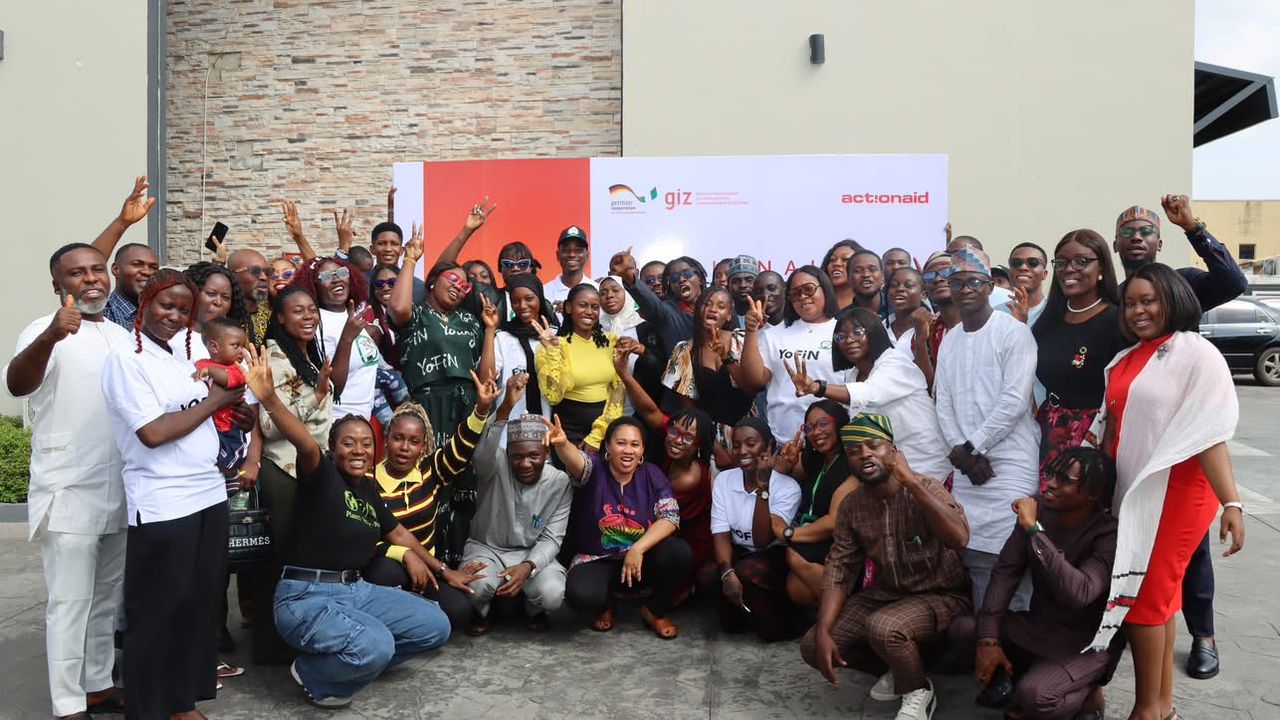
Ecosteward and Humanitarian Foundation Participate in National Youth Convening on NDC 3.0 and Climate Action
Ecosteward and Humanitarian Foundation (EHF) joined hundreds of young climate advocates, youth-led organizations, policymakers, and development partners at the National Young People’s Convening on NDC 3.0 and Climate Action held in Abuja from May 31 to June 1, 2026. Organized by ActionAid Nigeria in collaboration with GIZ, the convening was designed to strengthen youth engagement in climate governance and amplify young people’s voices in the implementation of Nigeria’s Nationally Determined Contributions (NDC 3.0). The event served as a strategic platform for young people to engage with climate policy processes and contribute meaningfully to shaping Nigeria’s climate future. Mr Nweze Emmanuel, Program Director at EHF actively participated in discussions focused on climate governance, climate-resilient agrifood systems, renewable energy, adaptation and mitigation strategies, youth inclusion, and sustainable development. The convening provided an opportunity for participants to deepen their understanding of Nigeria’s climate commitments under the Paris Agreement and the critical role young people must play in achieving them. A major focus of the event was the development of a consolidated youth position on NDC 3.0 and climate action. Through thematic and sectoral discussions, participants identified key priorities, challenges, risks, opportunities, and recommendations across sectors including energy transition, agriculture and food systems, industrial decarbonization, waste management, circular economy, and climate finance. During the engagements, participants emphasized the need for increased youth participation in climate decision-making processes, greater investment in green jobs and climate entrepreneurship, improved access to climate finance, and stronger accountability mechanisms to ensure the effective implementation of climate commitments. Discussions also highlighted the importance of a just transition that protects vulnerable communities while creating sustainable opportunities for young people. Speaking on the significance of the convening, representatives of Eco Steward Africa Foundation and Humanitarian Foundation noted that young people must be recognized not merely as beneficiaries of climate policies but as critical stakeholders and partners in designing and implementing climate solutions. They reaffirmed their commitment to promoting youth-led climate action, environmental sustainability, community resilience, and inclusive development across Nigeria. The outcomes and recommendations generated during the convening will contribute to ongoing climate policy discussions and will be presented by youth representatives at the Nigeria Youth Climate Summit 2026. The summit will provide a further platform for young Nigerians to influence national climate policies and advocate for ambitious climate action. For Ecosteward and Humanitarian Foundation, participation in the convening reflects their continued dedication to empowering young people, advancing climate justice, and supporting policies and actions that foster a sustainable and resilient future for all. As Nigeria moves towards implementing NDC 3.0, organizations such as Eco Steward Africa Foundation and Humanitarian Foundation remain committed to ensuring that youth voices are heard, valued, and integrated into climate governance and sustainable development processes at all levels.
Nigeria Faces Its Second Hottest Year on Record: A Call for Urgent Climate Action
The World Meteorological Organization (WMO) has projected that 2025 is on track to become Nigeria’s second hottest year on record, with average temperatures about 1.42°C higher than pre-industrial levels. This stark revelation comes amid ongoing discussions at COP30, where global leaders are gathered to review progress on climate commitments and chart new pathways for adaptation and resilience. Earlier this week, I joined RadioNow 93.5 FM Lagos to discuss this urgent issue and what it means for Nigerians. The message is clear, the heat crisis is no longer a future threat; it is our present reality. Rising Heat, Real Impacts Across Nigeria, rising temperatures are intensifying heatwaves, droughts, and erratic rainfall. These conditions are already taking a toll on human health, agriculture, and the economy. Outdoor workers face greater risks of heat stress, crop yields are declining, and power demand continues to rise as more people rely on cooling appliances. Global Drivers, Local Realities The WMO’s findings point to rising greenhouse gas concentrations and record-high ocean heat content as major contributors to global warming. In Nigeria, local drivers such as deforestation, gas flaring, poor waste management, and urban heat islands make matters worse. These interconnected factors amplify the climate crisis and demand urgent, coordinated responses. Turning Awareness into Adaptation While global conversations at COP30 focus on emissions reduction, developing nations like Nigeria must equally emphasize adaptation. Communities need early warning systems, climate-resilient infrastructure, sustainable agriculture, and urban greening to withstand extreme heat. Public awareness also plays a crucial role, knowing how to stay safe during heatwaves, manage water use, and protect vulnerable populations can save lives. At Ecosteward Foundation, we continue to advocate for community-led adaptation and youth engagement as core strategies for local resilience. Youth Leadership and Climate Justice Young people remain at the forefront of climate advocacy and innovation. From green entrepreneurship to digital climate activism, Nigerian youth are developing local solutions that can be scaled nationally. As COP30 unfolds, youth voices must be central in shaping decisions on adaptation finance and implementation. Climate justice demands that those most affected, yet least responsible, are supported and empowered to drive change. From Commitments to Action Nigeria’s climate commitments, as captured in its Nationally Determined Contributions (NDCs), are ambitious. However, translating these into real action requires stronger coordination among federal, state, and local governments, increased climate financing, and transparent monitoring of progress. As I noted on RadioNow 93.5 FM, “Climate change is not an environmental issue alone, it’s an economic, health, and social development challenge.” To respond effectively, we must integrate climate resilience into every sector, from education and energy to agriculture and urban planning. A Collective Call to Action The WMO’s report is not just a warning; it’s a wake-up call. Nigerians, individuals, communities, private sector actors, and government agencies must all play their part: • Plant trees and expand green spaces to cool our environments. • Reduce emissions by promoting clean energy and sustainable transport. • Support local climate initiatives and hold leaders accountable for promises made. • Educate and engage others — awareness is the first step toward resilience. As the global community deliberates at COP30, Nigeria must seize this moment to accelerate local adaptation and lead with innovation. About the Author Nweze Emmanuel Obinna is a Director at Ecosteward Foundation in charge of programs. A youth-led organization advancing environmental sustainability, climate education, and community resilience across Nigeria.
Ecosteward Foundation Visits JAMS Agro Organic Farm in Partnership with Heinrich Böll Stiftung to Advance Agroecology and Transformative Food Systems in Nigeria
Cross section of participants at Jams Organic Farm As part of its ongoing commitment to promoting sustainable agriculture and ecological food systems, Ecosteward Foundation recently embarked on a field visit to JAMS Agro Organic Farm in Kuje, Abuja, in partnership with the Heinrich Böll Stiftung (HBS) Foundation. The visit forms a crucial component of the Foundation’s collaborative project with the Alliance for Food Sovereignty in Africa (AFSA) titled “Connecting Young Agroecologists and Climate Advocates for Transformative Food Systems in Nigeria.” The engaging field experience brought together young agroecologists, climate advocates, and sustainability enthusiasts who are part of Ecosteward’s youth network championing ecological farming practices and food sovereignty. The visit to JAMS Agro Organic Farm served as both a learning and practical exposure opportunity for participants to deepen their understanding of agroecological farming methods, organic soil management, and nature-based cultivation practices. Mr manasi the farm director teaching on the processes of composting for manure Welcoming the team, Mr. Manasi, the Farm Director, led a guided tour around the farm and shared valuable insights into the farm’s integrated organic system, which harmonizes crop production, soil health, and biodiversity conservation. He elaborated on the use of compost, biological pest control, intercropping, and cover cropping techniques, all designed to enhance soil fertility and ecosystem resilience without reliance on chemical inputs. Mr. Manasi emphasized that agroecology is not just about farming differently, but about redefining our relationship with nature and food systems. He highlighted how JAMS Agro Organic Farm models an environmentally responsible and economically viable approach to food production that supports both farmers and consumers. Mr Emmanuel the director of programs EHF at the green garden section in the farm Speaking during the visit, Program Director at Ecosteward Foundation Mr Emmanuel Nweze, appreciated the partnership with Heinrich Böll Stiftung and reaffirmed the organization’s commitment to advancing agroecology as a pathway to climate resilience, youth empowerment, and food sovereignty. The field visit also reinforced the importance of integrating practical agroecological knowledge into national agricultural discourse and practice. Through the ongoing AFSA-supported project, Ecosteward Foundation continues to connect and build the capacity of young Nigerian agroecologists and climate advocates to drive systemic change toward more equitable, sustainable, and climate-friendly food systems. The visit to JAMS Agro Organic Farm exemplifies the Foundation’s approach of linking learning, practice, and advocacy to achieve long-term transformation in Nigeria’s food and agricultural landscapes. In conclusion, the field visit underscored the vital role of collaboration among civil society organizations, research institutions, and local farmers in scaling up agroecological models across Nigeria. Ecosteward Foundation remains steadfast in fostering a new generation of agroecological champions who will shape the country’s transition toward a sustainable and resilient food future.
Ecosteward Foundation Participates in Climate Finance and Green Projects Workshop Organized by Heinrich Böll Stiftung
The Ecosteward Foundation proudly participated in a three-day Training Workshop on Climate Finance and Green Projects organized by the Heinrich Böll Stiftung (HBS) Nigeria, held from Tuesday, October 28 to Thursday, October 31, 2025, at the Belmont Hotel, Wuye, Abuja. The workshop, which culminated in a field tour on the final day, brought together experts, policymakers, and civil society organizations to deepen understanding of climate finance mechanisms and promote sustainable green investments in Nigeria. Representing the Ecosteward Foundation at the workshop was Mr. Nweze Emmanuel Obinna, the Foundation’s Director of Programs, who actively engaged in the intensive training sessions and was awarded a Certificate of Completion by Heinrich Böll Stiftung for his successful participation. The workshop focused on enhancing institutional capacity in mobilizing and managing climate finance within Nigeria’s evolving green economy landscape. Participants were trained to: Facilitated by LOY SPV Ltd and supported by the German Green Foundation – Heinrich Böll Stiftung, the sessions featured practical exercises, expert presentations, and interactive discussions on how to effectively leverage climate finance to support Nigeria’s just and sustainable transition. Speaking after receiving his certificate, Mr. Nweze Emmanuel reaffirmed Ecosteward Foundation’s commitment to advancing climate action and sustainability in local communities. He emphasized the importance of building knowledge around climate finance access, project design, and accountability to accelerate the country’s green growth agenda. “This training has further strengthened our capacity to mobilize innovative financing and design impactful green projects that deliver tangible benefits to both people and the planet,” he stated. The Ecosteward Foundation views this engagement as a vital step toward scaling up climate-smart initiatives, promoting environmental resilience, and driving community-based green development across Nigeria. About Ecosteward FoundationEcosteward Foundation is a non-profit organization committed to environmental conservation, climate action, and community empowerment. Through research, advocacy, and sustainable development initiatives, the Foundation promotes ecological balance and resilience in line with global climate goals.
ECOSTEWARD FOUNDATION PARTICIPATES IN ONE-DAY WORKSHOP ON METHANE EMISSION REDUCTION AND CLIMATE ACTOR MAPPING IN NIGERIA
Cross-section of participants at the workshop The Ecosteward Foundation joined other key stakeholders at a One-Day Workshop on Stakeholder Engagement on Data Mapping of Climate Actors and Inception Workshop on Methane Emission Reduction in Nigeria, held on Friday, October 24th, 2025, at K-Class Hotel, Wuse Zone 5, Abuja. The event, organized by the Office of the Special Assistant to the President on Climate Change Matters in conjunction with SRADev Nigeria, brought together climate change experts, civil society organizations, policymakers, and development partners to deliberate on Nigeria’s strategy for methane emission reduction and to strengthen the data ecosystem for effective climate action. Ecosteward team with Hon Yusuf Kelani (SA to the president on climate change matters) Ecosteward Foundation was ably represented by Mr. Nweze Emmanuel, the organization’s Director of Programs, who emphasized the need for inclusive climate data management and multi-stakeholder collaboration in achieving Nigeria’s climate goals. He noted that methane, though short-lived, has a significant global warming potential and addressing it offers a quick win in reducing greenhouse gas emissions and protecting communities from escalating climate impacts. During the workshop, participants examined existing data gaps, shared insights on effective methane management strategies, and explored opportunities for synergy among climate actors. The engagement also provided a platform to align national methane reduction efforts with Nigeria’s broader commitments under the Paris Agreement and Nationally Determined Contributions (NDCs). Mr. Nweze reaffirmed Ecosteward Foundation’s commitment to promoting environmental sustainability, climate justice, and evidence-based advocacy for a low-carbon future. He stressed that bridging data and policy gaps remains central to achieving meaningful emission reductions and building resilient communities. The workshop concluded with a call for stronger collaboration among government agencies, research institutions, and civil society organizations to enhance data transparency, improve policy coherence, and drive measurable progress toward methane mitigation in Nigeria.
AGROECOLOGY AND CLIMATE RESILIENCE: DRIVING LOCAL POLICY FOR A SUSTAINABLE FUTURE IN NIGERIA
On 17th September 2025, community leaders, policymakers, and advocates for sustainable agriculture gathered at the Karu Local Government Secretariat, Nasarawa State, for a high-level dialogue on “Agroecology, Climate Resilience, and Local Environmental Policy Opportunities.” The event, convened by Ecosteward Foundation under the auspices of the Alliance for Food Sovereignty in Africa (AFSA), in partnership with EnviroNews Network, Ecocykle Foundation, GIFSEP, GreenFaith Nigeria, and Community Action for Food Sovereignty (CAFS), brought together a coalition of civil society organizations and grassroots movements committed to advancing agroecological development and environmental justice in Nigeria. Agroecology as a Solution to Climate and Food Challenges Discussions underscored the urgency of addressing climate change, soil degradation, biodiversity loss, and rising food insecurity challenges that disproportionately affect rural communities. Speakers emphasized that agroecology, rooted in indigenous knowledge and ecological science, provides a people-centered and sustainable pathway to tackle these crises. By promoting organic farming, waste-to-resource models, seed preservation, and community-led conservation, agroecology strengthens food sovereignty while building resilient local economies. Participants highlighted successful field-based examples from across Africa, demonstrating how agroecology can reduce dependence on fossil-fuel-driven agriculture and empower vulnerable populations. Local Policy Integration for Long-Term Impact A major focus of the dialogue was the need to integrate agroecology into local governance frameworks. The coalition called for legislative support, particularly through local bye-laws, to institutionalize practices such as land restoration, sustainable land use, and seed sovereignty. Without enabling policies, participants warned, grassroots innovations risk remaining isolated and unsustained. Embedding climate-smart agriculture into Karu’s local government agenda was seen as a vital step toward securing the legal and institutional backing necessary for long-term transformation. Building Partnerships for Inclusive Governance Mr. Nweze Emmanuel, Program Director of Ecosteward Foundation, alongside coalition partners, reaffirmed their commitment to co-creating sustainable initiatives with Karu Local Government. The courtesy visit served not only as an advocacy milestone but also as a platform for building stronger partnerships that align community-led innovations with government priorities. The dialogue emphasized that inclusive governance where communities, policymakers, and civil society collaborate, remains central to achieving climate resilience and environmental justice. A Replicable Model for Climate Action in Nigeria As the engagement concluded, participants reaffirmed the urgency of scaling up community innovations, strengthening local environmental governance, and ensuring that Nigeria’s youth and rural communities remain at the heart of climate action. However, a critical gap identified was the limited capacity of local legislators and policymakers to design, adopt, and enforce frameworks that support agroecology and climate resilience. While communities are innovating at the grassroots, these efforts often remain fragmented without strong institutional and legal backing. Capacity building for legislators is therefore essential. Equipping them with knowledge on agroecology, sustainable land use, seed sovereignty, and climate-smart agriculture will not only improve policy formulation but also ensure that bye-laws and local regulations are evidence-based, inclusive, and future-oriented. By empowering lawmakers with the right tools, training, and exposure to best practices, Nigeria can bridge the gap between community-driven solutions and institutional support systems. This alignment is crucial for creating an enabling environment where policies reinforce grassroots innovations, making climate action replicable and sustainable across all local governments. Ultimately, strengthening legislative capacity is not just about governance it is about ensuring that the fight against climate change is inclusive, science-informed, and resilient enough to secure food sovereignty and ecological justice for generations to come. This initiative in New Karu sets a replicable model for other local governments, paving the way for a climate-resilient Nigeria where people, policies, and the planet thrive together. www.ecostewardafrica.org
African Youth Mobilize for Agroecology: A Pathway to Food Sovereignty and Climate Resilience
Agroecology is more than farming it’s about justice, dignity, and sovereignty Addis Ababa, Ethiopia At Kotebe University of Education / 10th September 2025, youth voices rang clear and strong as organizations headed by Ecosteward Foundation and Humanitarian Foundation (EHF) with support from the Global Alliance for the Future of Food, in partnership with Frontline Food Leaders (FFL), the Alliance for Food Sovereignty in Africa (AFSA), Jeunes Volontaires pour I’Environnement (JVE), GreenFaith Africa, GreenFaith Nigeria, HBCU GreenFund, and Community Action for Food Security came together to mobilize young people around agroecology as a transformative solution to Africa’s climate and food crises. Agroecology rooted in Africa’s indigenous knowledge, biodiversity, and cultural heritage is rapidly emerging as the continent’s frontline strategy for sustainable food systems. For young people, it offers more than a farming approach: it represents a pathway to food sovereignty, climate resilience, and economic empowerment. Why Youth and Agroecology Matter Africa is the world’s youngest continent, with over 60% of its population under 25 years old. At the same time, the continent is disproportionately vulnerable to the impacts of climate change, from droughts and desertification in the Sahel to floods and cyclones in East and Southern Africa. By advancing agroecology, African youth are stepping into leadership at a time when traditional industrial agriculture heavily dependent on fossil fuels, chemical inputs, and export-driven models is proving unsustainable. Agroecology, by contrast, strengthens: Youth at the Heart of Change The gathering at Kotebe University highlighted how young people are not only beneficiaries of agroecology but drivers of innovation and advocacy. Through training, research, and community mobilization, youth networks are reclaiming ancestral knowledge while integrating modern ecological science. “Agroecology is more than farming it’s about justice, dignity, and sovereignty,” Lucky Abeng Frontline Food Leader at the event affirmed. “We are building a future where Africa can feed itself without destroying its lands or relying on exploitative systems.” Global Implications This youth-led momentum aligns with global climate goals. Recent UN Food and Agriculture Organization (FAO) reports emphasize agroecology as a critical tool to meet the Sustainable Development Goals (SDGs), particularly Zero Hunger (SDG 2) and Climate Action (SDG 13). Moreover, agroecology addresses the intersections of food, energy, and climate justice, which are increasingly recognized as inseparable in achieving a just transition. Looking Forward As the Africa Climate Summit 2 (ACS2) concluded in Addis Ababa with multi-billion-dollar commitments for African-led climate solutions, youth coalitions like those represented at Kotebe University are insisting that resources flow to grassroots initiatives. For them, agroecology is not just a strategy it is the heartbeat of Africa’s climate resilience. www.ecostewardafrica.org